Health and Safety Policy for Landscaping Maida Vale
 Landscaping Maida Vale is committed to maintaining a safe, healthy, and well-managed working environment for employees, contractors, visitors, and the public. This health and safety policy sets out the principles we follow to reduce risk, prevent injury, and support responsible working practices across all landscaping activities. We recognise that outdoor work can involve changing terrain, powered equipment, manual handling, weather exposure, and interaction with the public. For that reason, safety is treated as a core part of every task, not an optional extra.
Our approach to landscaping health and safety is based on planning, communication, supervision, and continuous improvement. Before any project begins, we assess the work area, identify potential hazards, and decide on suitable controls. These may include safe work zones, protective equipment, equipment checks, exclusion areas, or adjustments to working methods. We expect everyone involved in our operations to take reasonable care, follow instructions, and report concerns promptly so that risks can be addressed without delay.
We also recognise the importance of professionalism in everyday site behaviour. Workers must remain alert, fit for duty, and aware of changing conditions throughout the day. In a landscape maintenance environment, hazards can appear quickly, including uneven ground, sharp tools, noise, dust, slips, or unexpected movement from vehicles and machinery. By focusing on preparation and good judgement, we aim to reduce accidents and create a safer environment for everyone involved in garden and grounds care.
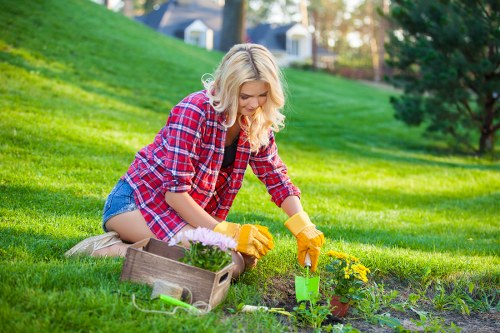
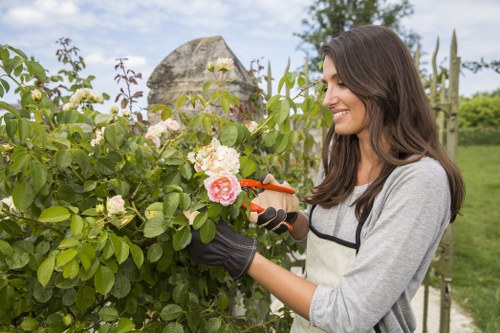
All staff are expected to use the correct personal protective equipment where required. Depending on the task, this may include gloves, eye protection, hearing protection, high-visibility clothing, protective footwear, or weather-appropriate clothing. PPE is not a substitute for safe working methods, but it provides an important final layer of protection. Equipment must be used properly, kept in good condition, and replaced when damaged or no longer suitable for use.
Safe use of tools and machinery is essential within our landscaping operations. We require that all equipment is inspected before use, maintained according to schedule, and operated only by trained or authorised personnel. Guards and safety devices must never be removed or bypassed. Fuel, batteries, and sharp tools must be handled carefully and stored securely when not in use. Where machinery is being used, workers should maintain clear communication, keep a safe distance, and avoid distractions.
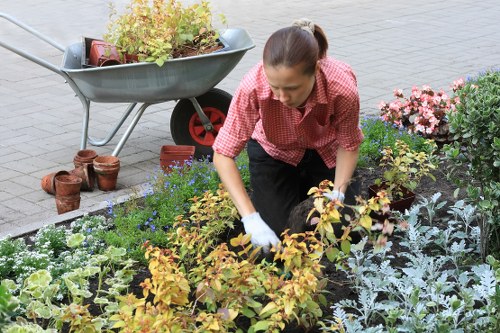 Manual handling is another important part of our policy. Landscaping tasks often involve lifting soil, moving plants, carrying materials, or repositioning equipment. To reduce strain and injury, loads should be assessed before lifting, mechanical aids used where practical, and team lifting considered for heavier items. Workers are encouraged to use correct lifting techniques, avoid twisting under load, and ask for assistance whenever a task appears unsafe or difficult.
Weather conditions can significantly affect landscape safety. Heat, cold, rain, wind, and poor visibility all increase risk and may require changes to the work plan. We monitor conditions throughout the day and adapt activities when necessary. This may involve additional breaks, hydration, rescheduling tasks, or pausing work if conditions become unsafe. Everyone must remain attentive to signs of fatigue, dehydration, slips, or reduced concentration, especially during physically demanding work.
Site security and public safety are also central to our policy. Landscaping work often takes place in shared or visible areas, so it is important to mark hazards clearly, store tools safely, and keep access routes as clear as possible. When operating near pedestrians, property boundaries, roads, or traffic areas, extra care must be taken to protect the public and prevent disruption. Temporary barriers, warning signs, and supervision should be used where appropriate to maintain a controlled working environment.
In the middle of our operations, risk assessment remains a continuous process rather than a one-time document. Team leaders and workers must review changing conditions, new hazards, and task-specific risks before and during each job. If something changes, the plan must change too. This flexible approach helps us respond to uneven surfaces, hidden debris, underground services, wildlife hazards, and other common concerns within grounds maintenance.
Training and competence are essential to safe working practice. Every worker must receive suitable instruction for the tasks they carry out, including equipment use, hazard recognition, emergency procedures, and safe working methods. Refresher training should be provided when needed, especially after changes in equipment, process, or responsibilities. We encourage a culture where questions are welcomed and improvement is shared openly, because safety awareness strengthens the whole team.
 Accidents, incidents, near misses, and faulty equipment must be reported immediately so that action can be taken. Reporting is not about blame; it is about learning, correcting, and preventing repeat events. Where an injury or unsafe condition occurs, work should stop if necessary until the issue is controlled. First aid arrangements, emergency procedures, and incident records should be kept up to date and understood by the people who need them.
Environmental responsibility is closely linked to safe landscaping practice. Waste, chemicals, fuel, and sharp offcuts must be managed carefully to avoid harm to people and surroundings. Spills should be controlled quickly, and materials stored in a way that reduces contamination or fire risk. By keeping work areas tidy and organised, we improve both safety and efficiency. Good housekeeping supports a more reliable landscaping safety policy and reduces avoidable hazards.
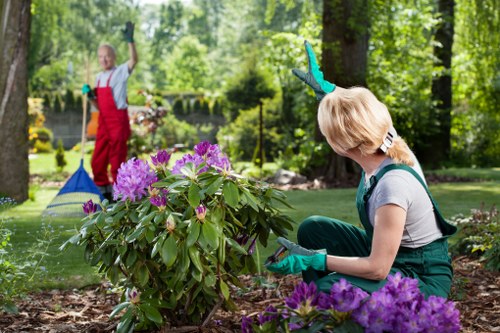 Supervision plays a key role in ensuring this policy is followed. Managers and team leaders are responsible for setting expectations, checking standards, and intervening when unsafe behaviour is observed. They must also support workers by providing clear instructions, suitable tools, and enough time to complete tasks safely. A strong safety culture depends on leadership that is consistent, practical, and proactive.
We expect all personnel to cooperate with this policy and to contribute to a safe workplace through everyday actions. This includes arriving prepared for work, using equipment correctly, respecting site rules, and speaking up when a hazard is identified. Safe landscaping depends on shared responsibility. When everyone contributes, the risk of injury or damage is reduced and the quality of service improves.
 This health and safety policy for Landscaping Maida Vale will be reviewed regularly to ensure it remains effective, practical, and aligned with current working practices. Updates may be made whenever equipment changes, new risks arise, or lessons from incidents show that improvements are needed. Our aim is simple: to complete every landscaping task with care, competence, and a consistent commitment to safe working.